Graffiti Smile: A Bold Display Font for Editors
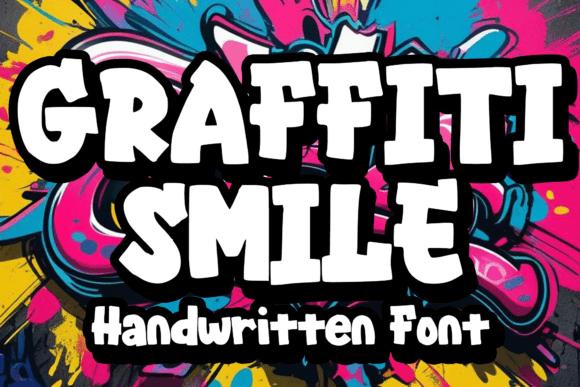
When curating a collection of Display Fonts for modern editorial projects, Graffiti Smile stands out as a unique asset that bridges the gap between urban energy and approachable charm. For publishers, bloggers, and content creators, the challenge is often finding a typeface that captures attention without sacrificing the professional integrity of the layout. Introducing Graffiti Smile, a vivacious fusion of bold street graffiti and playful comic-flavored artwork. This font invites you to take your designs to the next level with its standout expressive nature, making it an ideal choice for headlines, cover art, and accent typography in digital and print publications.
Using Graffiti Smile for Magazine Covers and Blog Headers
In the crowded landscape of digital media, the first few seconds of visual engagement are critical. Graffiti Smile serves as a powerful tool for creating immediate impact in magazine covers and blog headers. As a Display typeface, it is designed to be read at larger sizes, where its thick strokes and irregular, hand-drawn contours can truly shine. When used in a blog header, this font injects personality into otherwise standard layouts, signaling to the reader that the content within is lively, contemporary, and distinct.
For magazine designers, the cover is the primary sales pitch. Using Graffiti Smile for the main title or feature headline creates a sense of movement and excitement. The "comic-flavored" aspect of the design adds a layer of nostalgia and fun, which works exceptionally well for lifestyle magazines, youth-oriented publications, or creative industry journals. Unlike rigid geometric sans serifs, this font feels human and organic, helping to establish a brand identity that is accessible rather than corporate. By integrating this font into your header strategy, you transform static text into a visual hook that encourages clicks and reads.
Enhancing Ebook Titles and Chapter Openers with Expressive Typography
Ebook creators and independent authors often struggle to make their digital products stand out in saturated marketplaces. Graffiti Smile offers a solution for those looking to infuse their book covers and interior layouts with character. When applied to ebook titles, particularly in genres like self-help, creative guides, or informal memoirs, the font’s playful aesthetic suggests a reading experience that is engaging and less intimidating. It breaks the mold of traditional serif-heavy academic looks, appealing to readers who prefer a conversational tone.
Beyond the cover, this font excels in interior design elements such as chapter openers and section breaks. Using Graffiti Smile for chapter numbers or introductory quotes creates a clear visual hierarchy, guiding the reader through the narrative. The expressive nature of the glyphs acts as a visual palate cleanser between blocks of dense body text. However, it is crucial to remember that this is a display font; it should not be used for long-form body copy. Instead, pair it with a highly readable serif or sans serif font for the main text to ensure comfort during extended reading sessions on screens or e-readers.
Creating Engaging Quote Graphics for Newsletters and Social Media
Content creators who distribute newsletters or manage social media channels know that shareable graphics are essential for audience growth. Graffiti Smile is perfectly suited for creating eye-catching quote cards and promotional banners. Its bold, graffiti-inspired structure ensures that short phrases remain legible even when scaled down for mobile feeds or thumbnail previews. The "vivacious fusion" of styles means that each letter carries a sense of motion, making static images feel dynamic and energetic.
For newsletter writers, using this font in header images or pull-quote sections can significantly increase click-through rates. The playful comic aesthetic resonates well with audiences looking for inspiration, humor, or creative tips. When designing these assets, consider using high-contrast color palettes that complement the urban roots of the font. Neon accents against dark backgrounds, or bright primaries on white, can enhance the street-art vibe. This approach not only strengthens brand consistency but also makes your content instantly recognizable in a subscriber’s crowded inbox.
Pairing Graffiti Smile with Serif and Sans Serif Body Fonts
Successful editorial design relies heavily on effective font pairing. Because Graffiti Smile is so distinctive and visually loud, it requires a subdued partner for body text to maintain balance and readability. A clean, neutral sans serif font works well for modern, minimalist layouts, allowing the display font to take center stage without competition. Alternatively, a classic serif font can provide a sophisticated contrast, grounding the playful energy of the graffiti style with traditional typographic stability.
When building templates for printable guides, worksheets, or coaching workbooks, this pairing strategy is vital. Use Graffiti Smile for headings, call-out boxes, and footer accents, while relying on a high-legibility serif for instructions and detailed content. This combination ensures that the document remains professional and easy to navigate, while still retaining a unique creative flair. Designers should also pay attention to spacing and leading; give the display font enough breathing room so its intricate details do not clash with adjacent text elements. Proper kerning and line height adjustments will prevent the layout from feeling cluttered, ensuring a polished final product.
Licensing Considerations for Commercial Publishing and Digital Products
Before integrating Graffiti Smile into client projects or commercial products, it is essential to review the licensing terms. For publishers creating paid ebooks, printable planners, or subscription-based newsletters, a commercial license is typically required. This ensures that you have the legal right to use the font in products that generate revenue. Many independent creators overlook this step, risking copyright issues down the line. By securing the appropriate license, you protect your brand and support the type designers who create these valuable assets.
Additionally, consider the technical aspects of embedding the font in PDFs and web platforms. Ensure that the font files are optimized for web use if you are implementing them in HTML emails or interactive digital magazines. Checking for multilingual support and alternate glyphs can also expand the versatility of your designs, allowing for greater customization in international editions or specialized branding efforts. Ultimately, Graffiti Smile is more than just a set of characters; it is a strategic design tool that, when used correctly, can elevate the perceived value of your content and deepen reader engagement.